Source Fire Rated EPDM Waterproof Membrane for Roofs, Basements, Bridges
Find 30 fire rated EPDM waterproof membrane options with thicknesses from 0.8mm to 2.0mm and certifications like ISO and CE. Buyers can compare tensile strength, elongation, and surface treatments for roof, underground, and reservoir applications.
Key considerations
Products List


Comprehensive Sourcing Guide
Strategic Sourcing Guide for Fire-Rated EPDM Waterproof Membrane Procurement
Understanding the Technical Profile of EPDM Waterproofing Systems
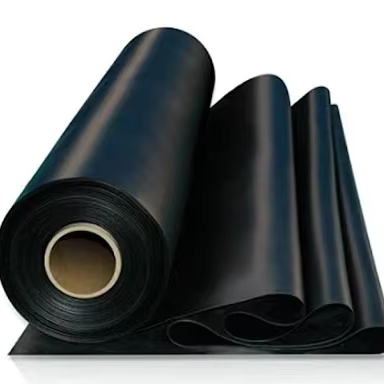
When sourcing EPDM (Ethylene Propylene Diene Monomer) waterproof membranes, buyers must first distinguish between general rubberized sheets and those specifically engineered for fire-rated applications. The core material profile observed in the market indicates a robust rubber composition, often labeled as EPDM Rubber or Rubber EPDM. These products are fundamentally designed as waterproof roll materials, serving critical functions in construction waterproofing for both indoor and outdoor environments. The primary application scope includes roofs, basements, underground structures, reservoirs, and bridges, where long-term exposure to the elements is expected.
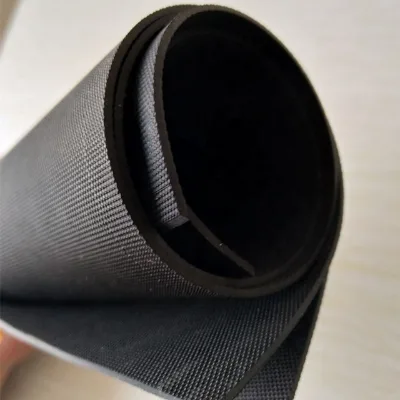
The physical specifications of these membranes vary significantly across suppliers, necessitating careful verification. Observed thickness ranges in the current market span from 0.8mm up to 2.0mm, with common offerings including 1.2mm, 1.5mm, 1.8mm, and 2.0mm variants. The width of the rolls is typically standardized at 1m or 1.15m, with lengths often reaching 20m per roll, resulting in standard coverage areas such as 1mx20m or 1.15mx20m. However, some suppliers may offer customized dimensions or alternative standard sizes like 2m*20m. The surface treatment is another critical technical variable; products may be available in smooth, meshed, or self-adhesive finishes, and some are composite materials bonded with nonwoven fabric or PE film to enhance structural integrity.
Mechanical properties are equally vital for fire-rated systems. Tensile strength is a key performance indicator, with observed values ranging from 7.5MPa to 9MPa. Furthermore, the material must exhibit high flexibility to accommodate building movement without cracking; elongation at break is typically observed to be greater than or equal to 350%. The weather fastness of the membrane is often highlighted by its resistance to ultraviolet light and hypothermy, ensuring durability in extreme temperature fluctuations. While the standard color is black, white or customized color options are available depending on the specific product model and supplier capabilities.
Navigating Compliance and Certification Requirements
For procurement professionals targeting fire-rated EPDM membranes, the verification of certifications is the most critical step in the sourcing process. While the general market for EPDM rubber products frequently lists certifications such as ISO, CE, and MSDS, the specific requirement for "fire-rated" status demands a deeper investigation into fire performance standards. The supplied data indicates that some products carry CE and ISO certifications, and a subset includes ASTM standards, which are often relevant for fire and material testing in international markets.
Buyers must explicitly verify if the specific product model, such as those designated by codes like JLY-EPDM001, EM2663, or EPDM2000, has undergone testing against recognized fire classification standards. The provided context mentions EN 13501-1 and EN 13501-5 as background standards, which are the European classification systems for the reaction to fire of construction products. However, these should not be assumed to apply to every listed product without direct confirmation from the supplier. The presence of an ISO certification does not automatically equate to a fire rating; it generally signifies that the manufacturer's quality management system meets international standards.
Therefore, the procurement strategy must involve a direct request for the specific fire test reports corresponding to the intended market regulations. If the project is in a region requiring compliance with EN 13501, the buyer must demand the official classification certificate (e.g., B-s1, d0 or similar) for the specific thickness and surface type being purchased. Similarly, for markets adhering to ASTM standards, the specific test results for flame spread and smoke development must be provided. Relying solely on the generic "CE" or "ISO" labels found in product listings is insufficient for fire-rated projects. The buyer should also check for the presence of an MSDS (Material Safety Data Sheet), which, while primarily for chemical safety, can provide insights into the flammability characteristics and chemical composition of the EPDM compound.
Analyzing Cost Drivers and Pricing Structures
The cost of EPDM waterproof membranes is influenced by a complex interplay of material thickness, surface treatment, and certification status. The observed price range in the market for these products spans from $0.8 to $8.00 USD per unit, though the unit of measurement (per square meter, per roll, or per kilogram) is not explicitly defined in the general data and must be clarified during the Request for Quotation (RFQ) stage. This wide variance suggests that price is heavily dependent on the specific thickness selected; a 2.0mm membrane will naturally cost more than a 0.8mm variant due to the higher volume of raw rubber material required.
Minimum Order Quantity (MOQ) is another significant cost driver. The market data indicates an MOQ range between 100 and 5,000 units. For smaller projects or trial orders, buyers may face higher per-unit costs if they fall below the lower end of this range, or they may need to negotiate with suppliers who have more flexible policies. Conversely, large-scale infrastructure projects can leverage the higher volume tiers to secure better pricing. The packaging method also impacts logistics costs; products are typically shipped on pallets, in plastic bags, or in woven bags, with some suppliers offering customized packing. The choice between standard rolls (e.g., 1mx20m) and custom dimensions can affect the efficiency of shipping and the amount of waste generated on-site, indirectly influencing the total project cost.
Additionally, the inclusion of fire-rated certification can introduce a premium. Products that have undergone rigorous third-party fire testing and carry specific fire classification certificates often command a higher price point than standard EPDM sheets. Buyers should be prepared to pay a premium for the assurance of compliance, as the testing and certification process involves significant time and financial investment for the manufacturer. It is also important to consider the origin of the product; with major production hubs located in Shandong, China (including Weifang), logistics costs will vary based on the buyer's location and the specific shipping terms agreed upon.
Evaluating Supplier Capabilities and Production Standards
When selecting a supplier for fire-rated EPDM membranes, the evaluation must extend beyond the product specifications to the supplier's operational capabilities and quality assurance processes. The geographic concentration of manufacturers in Shandong, China, suggests a mature supply chain, but buyers must verify the specific location of the factory, such as Weifang, to ensure logistical feasibility and to assess the supplier's proximity to raw material sources.
A critical aspect of supplier evaluation is the consistency of their production standards. The data shows that suppliers offer various product models, and the standard weight per roll is noted as 40kg or 50kg. Buyers should verify if the supplier maintains strict control over these weight and dimension standards to ensure that the delivered product matches the ordered specifications. The availability of customization is a strong indicator of a supplier's flexibility; many suppliers offer customized thickness, color, and packing options. However, for fire-rated products, customization must not compromise the integrity of the fire-resistant additives or the structural composition of the membrane.
Suppliers should also demonstrate a commitment to after-sales support, with many offering online support services. This is particularly important for large construction projects where technical guidance during installation is required. The warranty period, typically observed at 5 years, is another metric of supplier confidence. However, buyers must scrutinize the terms of this warranty to ensure it covers fire-related performance issues if the product is marketed as fire-rated. A reputable supplier will provide a comprehensive warranty that aligns with the expected lifespan of the waterproofing system and the specific fire safety requirements of the building code.
Quality Control Protocols and Performance Verification
Ensuring the quality of fire-rated EPDM membranes requires a rigorous quality control (QC) protocol that goes beyond visual inspection. Buyers should implement a multi-stage verification process that includes pre-shipment sampling and third-party testing. The observed attributes, such as tensile strength (7.5-9MPa) and elongation at break (≥350%), should be verified through independent laboratory testing on samples drawn from the production batch. These mechanical properties are essential for ensuring that the membrane can withstand the thermal expansion and contraction associated with fire events without losing its waterproof integrity.
The surface treatment and composite structure are also critical quality checkpoints. Whether the product is smooth, meshed, or self-adhesive, the bonding of the composite layers (nonwoven fabric or PE film) must be uniform and free of delamination. For fire-rated applications, the uniformity of the fire-retardant additives throughout the rubber matrix is paramount; any inconsistency can lead to weak spots that fail under fire conditions. Buyers should request detailed test reports that cover not only mechanical properties but also fire performance metrics such as flame spread index, smoke density, and heat release rate.
Furthermore, the environmental protection compliance of the product should be verified. The data indicates that products conform to environmental protection standards, which is increasingly important for sustainable construction projects. Buyers should ensure that the EPDM rubber does not contain hazardous substances that could be released during a fire, such as toxic gases or heavy metals. The "Outstanding Feat" of superior quality mentioned in some listings should be substantiated by actual test data rather than marketing claims. A robust QC process involves regular audits of the supplier's production line and the maintenance of a traceability system that links each roll of membrane to its specific batch of raw materials and test results.
Long-Term Procurement Considerations and Lifecycle Management
Procuring fire-rated EPDM waterproof membranes is a long-term investment that requires careful consideration of the product's lifecycle and maintenance requirements. The 5-year warranty is a baseline expectation, but the actual service life of a high-quality EPDM membrane can extend significantly longer, often exceeding 20 years, provided it is installed correctly and maintained properly. Buyers should plan for the long-term availability of replacement materials, especially for large infrastructure projects where the specific fire-rated product may become obsolete or difficult to source in the future.
The application scope of the membrane, including roofs, underground structures, and reservoirs, dictates the maintenance strategy. For example, roof applications are subject to direct UV exposure and thermal cycling, which can degrade the material over time. The observed weather fastness against ultraviolet light is a key factor in determining the frequency of inspections and the need for protective coatings. Buyers should develop a maintenance plan that includes regular visual inspections for cracks, punctures, or delamination, particularly in areas prone to mechanical stress or thermal expansion.
In the event of a fire, the performance of the membrane is critical not just for waterproofing but for containing the spread of fire and smoke. Therefore, the procurement strategy should include a review of the building's fire safety plan to ensure that the EPDM membrane is compatible with other fire-rated components of the building envelope. The supplier's ability to provide technical support and training for installers is also a long-term consideration, as improper installation can void warranties and compromise fire safety. Finally, buyers should monitor the regulatory landscape for fire safety standards, as codes may evolve, requiring the replacement of existing membranes with newer, more compliant products in the future. By adopting a holistic approach to procurement that considers technical specifications, certification, cost, supplier reliability, quality control, and lifecycle management, buyers can secure a reliable and compliant fire-rated EPDM waterproofing solution.
FAQs
What certifications do fire rated EPDM waterproof membranes typically hold?
Products typically hold ISO, CE, and ASTM certifications. Some listings also include MSDS documentation. Buyers must verify specific fire test reports for EN 13501 compliance rather than relying solely on general quality certifications.
How does the thickness of EPDM membranes affect fire performance?
Thickness ranges from 0.8mm to 2.0mm, with common options like 1.2mm and 1.5mm. Thicker membranes generally offer better fire resistance but cost more. Buyers should confirm if the specific thickness variant meets required fire ratings.
Which suppliers offer customized EPDM waterproof membrane dimensions?
Customization is available for thickness, color, and packing options. Suppliers can provide rolls in 1m or 1.15m widths with lengths up to 20m. Buyers should request specific custom dimensions during the sourcing process to ensure fit.
Can EPDM membranes be used for underground reservoir waterproofing?
Yes, the material is suitable for roofs, underground structures, reservoirs, and bridges. It offers good waterproof performance and weather fastness against ultraviolet light. The application scope includes both indoor and outdoor construction environments.
What is the typical tensile strength of EPDM rubber membranes?
Observed tensile strength values range from 7.5MPa to 9MPa. This mechanical property ensures the membrane can withstand structural movement without cracking. Buyers should verify these values against project-specific load requirements.
How long is the warranty period for EPDM waterproof rolls?
The standard warranty period is typically 5 years. This covers performance issues under normal conditions. Buyers must review warranty terms to ensure they include fire-related performance guarantees if the product is marketed as fire-rated.
What are the standard packaging options for EPDM waterproof materials?
Products are packed on pallets, in plastic bags, or woven bags. Some suppliers offer customized packing solutions. Standard roll sizes include 1mx20m or 1.15mx20m, with weights around 40kg or 50kg per roll.